By Janice Robinson-Celeste
A carbon monoxide alarm is one of the most important safeguards to check before you turn on the heat for the season. Carbon monoxide (CO) has no color or smell, and its flu-like symptoms can be easy to mistake for the usual winter sniffles, especially when there is no fever.
Quick Review
- Install CO alarms on every level of your home and outside sleeping areas.
- Test alarms monthly, replace batteries as directed, and check each unit’s expiration date.
- Keep alarms at least 15 feet from fuel-burning appliances, and away from kitchens and heating vents.
- If an alarm sounds, take everyone, including pets, outside immediately and call 911 from outside.
- Never run a portable generator indoors or in a garage. Place it at least 20 feet from your home.
Why Carbon Monoxide Can Be Mistaken For The Flu
CO is produced when fuels such as gas, oil, wood, or gasoline do not burn completely. Furnaces, fireplaces, water heaters, and generators can all be sources. Because you cannot see or smell the gas, you may not notice a problem until someone begins to feel unwell.
The CDC lists headache, dizziness, weakness, nausea, vomiting, and fatigue among common CO poisoning symptoms. They can resemble the flu, but often occur without fever. If more than one person at home feels sick at the same time, or symptoms ease after going outdoors, treat the situation seriously. Do not stay inside to work out what is causing it.
Children deserve particular attention. Children ages 0 to 9 have the highest rates of CO-related poison center exposures and emergency department visits, according to the CPSC’s carbon monoxide guidance. Children breathe faster and can inhale more CO per pound of body weight than adults, as HealthyChildren.org explains. A child may not be able to describe a headache or dizziness, so watch for unusual tiredness, weakness, nausea, or behavior that seems out of character.
Heating season brings an added reason to check your alarms. The CPSC reports that unintentional CO poisoning incidents peak in December and January, when homes rely more heavily on heating equipment. Its carbon monoxide fact sheet offers more seasonal safety information.
What A Carbon Monoxide Alarm Does
A CO alarm monitors the air and sounds when it detects carbon monoxide at levels and for a period of time that meet its alarm criteria. It cannot prevent CO from being produced, so it should work alongside regular maintenance of fuel-burning equipment and safe use of generators.
When choosing an alarm, look for one that meets the UL 2034 standard. Follow the manufacturer’s instructions for installation and use. A CO alarm is different from a smoke alarm, so check that your home has the right protection for both hazards.
Where To Install And How To Maintain Alarms
The CPSC advises placing CO alarms on every level of the home and outside sleeping areas. As a general guide, place an alarm within 10 feet of each bedroom door, following the manufacturer’s instructions and local requirements.
Keep alarms at least 15 feet from fuel-burning appliances to help reduce nuisance alarms. Avoid placing them in kitchens or directly beside heating vents. If you are unsure about a location, check the alarm’s manual or ask your local fire department or building professional.
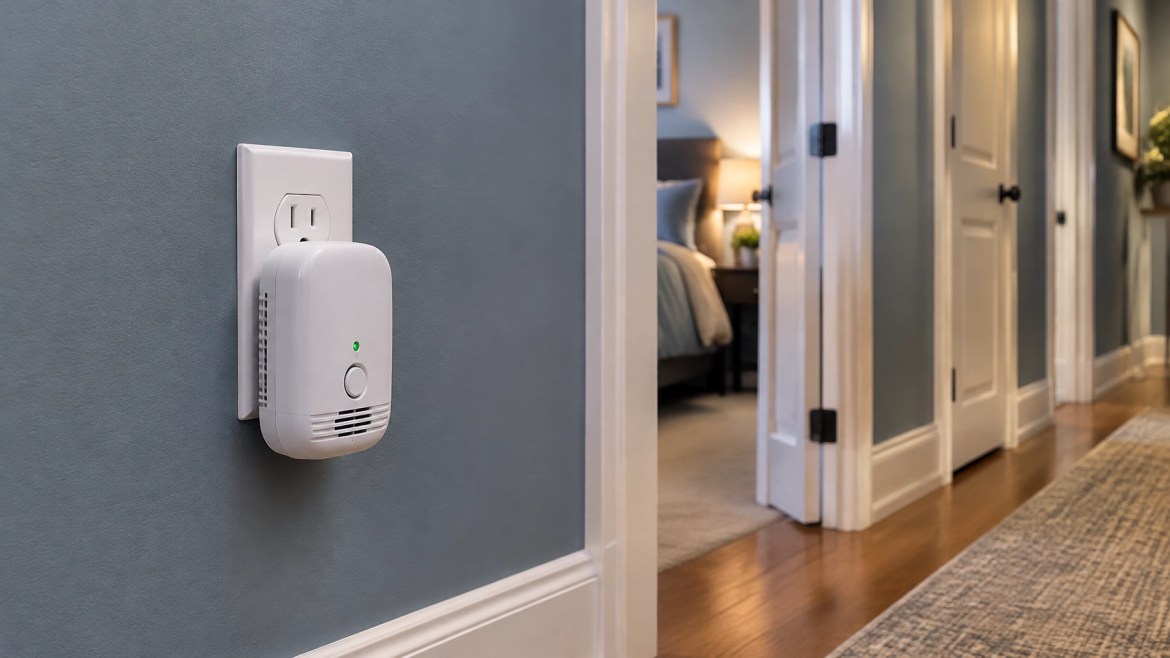
Make alarm care part of your regular household routine:
- Test each alarm monthly using the test button and the method described in its manual.
- Replace batteries as directed. For alarms with replaceable batteries, follow the manufacturer’s schedule. Some sealed-battery models are designed to last for the alarm’s full service life.
- Check the date on the back of every unit. Most CO alarms last about five to 10 years, depending on the model. Replace an alarm when it reaches its expiration date, even if it still seems to work.
- Keep alarms clear and accessible. Dust or objects blocking the device can interfere with its operation.
More than 200 people die each year in the United States from accidental, non-fire CO poisoning linked to consumer products, and more than 100 of those deaths involve portable generators.
That number from CPSC data is exactly why generator placement belongs on every family's safety checklist.
Know a parent who needs this? Send it to them.
A Recent Recall Shows Why Outdoor Equipment Matters
Not every CO hazard comes from equipment used inside the home. In September 2026, the CPSC announced a recall of about 4,600 Hayward Universal-HC Series pool heaters, model HDFS400, after identifying a risk of serious injury or death from CO poisoning. The heaters were sold from March through July 2026. The CPSC recall notice lists the affected product and recall number 26-777.
Owners of the recalled heaters should stop using them and contact Hayward for a free repair. Call 855-500-5288 or visit Hayward’s product recall page for instructions.
Portable generators remain a leading source of CO deaths associated with consumer products. The CPSC advises never operating a generator indoors or in a garage, even if doors or windows are open. Run it outdoors at least 20 feet from the house, with exhaust directed away from doors, windows, and vents.
Carbon Monoxide Alarm Checklist For Your Home

Save this checklist for your next home safety walk-through, and share it with anyone who just moved into a new place.
What To Do If An Alarm Sounds
Leave the building immediately. Get everyone outside, including children and pets, and call 911 from outdoors. Do not go back in to find the source, silence the alarm, or collect belongings. Follow instructions from emergency responders before re-entering.
If anyone has symptoms, tell emergency responders that you suspect CO exposure. Do not assume that a lack of fever means it is only a seasonal illness. When an alarm sounds, leaving promptly is the safest next step.
Frequently Asked Questions
Can I Put A CO Alarm Near A Heating Vent?
Avoid placing an alarm directly beside a heating vent, and follow the manufacturer’s placement instructions. Keep it at least 15 feet from fuel-burning appliances unless the product instructions or local requirements specify otherwise.
How Often Should I Test A Carbon Monoxide Alarm?
Test it monthly using the test button and instructions provided with the unit. Also check its batteries and expiration date as part of your routine home safety checks.
Should I Replace An Alarm That Has Not Sounded?
Yes, if it has reached its expiration date. Check the manufacture or expiration date printed on the back of the alarm. Most models last about five to 10 years, but the exact service life depends on the unit.
Can I Run A Generator In A Garage With The Door Open?
No. Never run a portable generator indoors or in a garage, even with the door open. Keep it outdoors at least 20 feet from the home, with exhaust directed away from openings.
Strengthen your family’s safety routine by joining Secure Children’s Network’s community for practical resources and updates.
When did you last test the CO alarms in your home, and do you know where yours are installed?
If this helped, share it with another parent and follow Secure Children's Network on Facebook, X and LinkedIn for safety alerts.
Discover more from
Subscribe to get the latest posts sent to your email.