By Janice Robinson-Celeste
Quick Review
- A mother has filed a proposed class action against OpenAI on behalf of her children, alleging the company collected and profited from minors’ personal information through ChatGPT without valid parental consent.
- These are allegations in a lawsuit, not proven facts or a court ruling. OpenAI rejects the allegations and says users control whether their chats are used to train its models.
- Chat history, model training, saved memories, and deletion are separate settings. Changing one does not necessarily change the others.
A new lawsuit raises a practical question for families: What happens to the personal details a child shares with an AI chatbot?
The proposed class action was filed Tuesday in federal court in California, according to Reuters’ report. A mother bringing the case on behalf of her two children alleges OpenAI unlawfully collects and profits from minors’ personal information without valid parental consent, and seeks an award of OpenAI equity or its cash value for the data allegedly taken.
The lawsuit’s claims have not been proven, and the court has not ruled on them. A proposed class action is not the same as a class being certified. OpenAI says users can control whether their chats are used to improve models; families can review the company’s data controls guidance.
For parents, the immediate takeaway is not that every child’s conversation is used in the same way. It is that a few different privacy settings are easy to mix up, and each addresses something different.

What The Lawsuit Alleges, and What It Does Not Establish
The complaint alleges OpenAI collected and used children’s personal information without legally adequate parental consent and benefited from that information. Those claims now have to be addressed through the legal process.
The filing does not establish that a court has found OpenAI violated privacy law, nor does it show that every conversation involving a young person was used for model training. The case is about allegations made by the plaintiffs; the details and outcome will depend on the proceedings.
OpenAI’s position on training controls is also important, but it answers a narrower question. Its user guidance describes controls for whether eligible conversations are used to improve models. That does not mean turning off training automatically deletes chats, clears saved memories, or resolves the lawsuit’s claims about consent.
Does ChatGPT Remember What Your Child Tells It?
It helps to think of four separate switches: training, chat history, memory, and deletion.
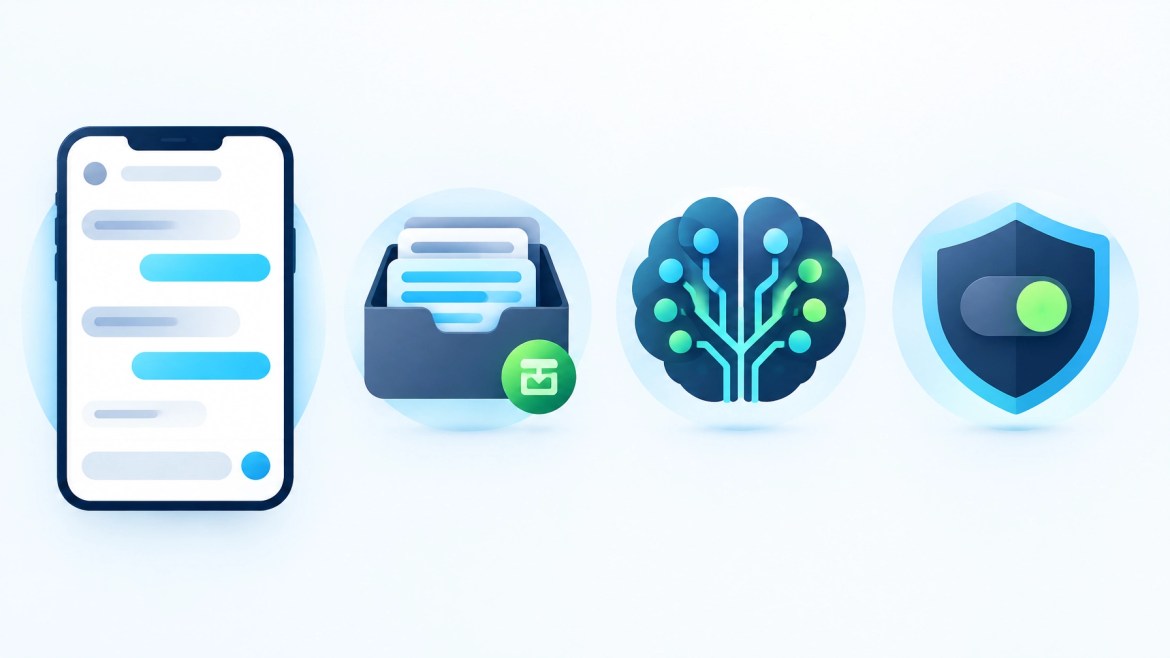
- Model training: This concerns whether conversations may be used to improve models. OpenAI provides a setting to opt out. Turning it off does not delete conversations already visible in chat history.
- Chat history: This is the list of conversations saved in the account. A conversation can remain in history even if the user has opted out of model improvement.
- Memory: If enabled, ChatGPT may save details to personalize future responses. Memory is separate from chat history; deleting a conversation may not remove a saved memory.
- Deletion: Removing a chat is a separate action from opting out of training or clearing memory. Review the relevant account controls rather than assuming one change handles everything.
OpenAI explains these controls in its Data Controls guide and its Memory help page. Settings and available features can change, so check the current options in the account your child actually uses.
What Parents Can Do Now
You do not need to be a technology expert to make this a useful family check-in. Open the account settings together, if appropriate, and ask your child what they use ChatGPT for. Then review:
- Whether model improvement is enabled.
- Which chats remain in the history, and whether any should be deleted.
- Whether memory is on and what details, if any, are saved.
- What personal information should stay out of AI conversations, such as a full name, home address, school, passwords, or private details about someone else.
Keep the conversation calm and practical. Let your child know they can tell you if they shared something personal or received an answer that made them uncomfortable. Focus on helping them make a plan, not on blame.
SCN’s ChatGPT for Teens guide explains parental controls and their limits. For an additional perspective on how teen safeguards may work in practice, see Common Sense Media’s testing of ChatGPT for Teens.

Frequently Asked Questions
Does Turning Off Model Training Delete Old Chats?
No. Training preferences and chat deletion are separate. Review chat history and delete conversations individually if you want them removed from the account.
Does Deleting A Chat Clear ChatGPT’s Memory?
Not necessarily. Saved memories have their own controls. Check the memory settings separately and remove saved details you do not want retained.
Has A Court Found OpenAI Violated Children’s Privacy?
No. The lawsuit contains allegations that have not been proven, and the case has not yet produced a court finding on those claims.
Understanding the difference between settings makes it easier to choose what fits your family. Join the SCN newsletter through the Secure Children’s Network homepage for practical guidance on children’s safety and well-being in the digital landscape.
Discover more from
Subscribe to get the latest posts sent to your email.